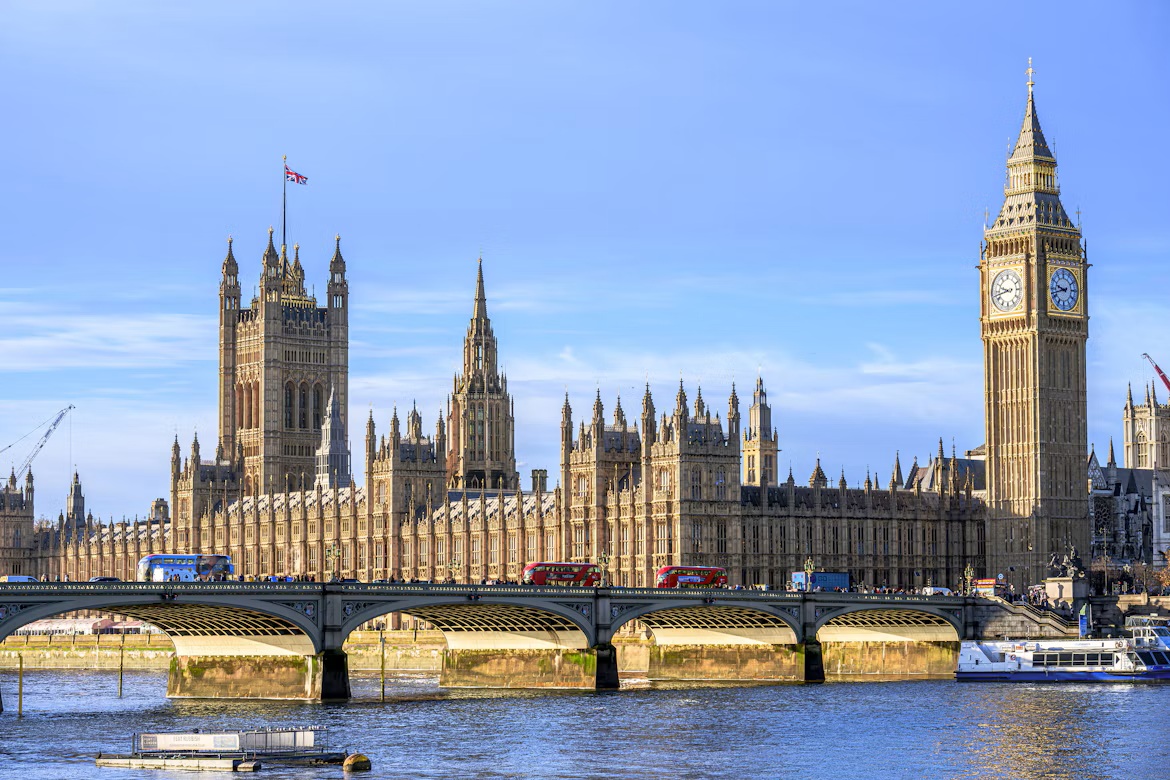
London – 20 November, 2026 – On World Fisheries Day, the Coalition for Fisheries Transparency (CFT) welcomes the UK’s progress on fisheries transparency this year, demonstrating the Government’s commitment to tackling illegal, unreported and unregulated (IUU) fishing.
With an estimated 1 in 5 fish caught worldwide being taken illegally, the CFT urged UK policy-makers to go further to clamp down on IUU fishing. To do so, greater fishing transparency is key – revealing the full details of catches and identifying who ultimately owns fishing vessels and profits from illegal activities. IUU fishing is estimated to cost the global economy between £8-£18.5 billion each year.
In the UK, where more than 80% of the fish consumed is imported, closing loopholes is essential to keep products linked to IUU fishing off supermarket shelves and out of consumers’ plates. This year, UK fisheries authorities have taken important steps to implement international agreements, strengthen seafood import controls and improve monitoring of fishing activities in UK waters. Specifically:
- In May, the UK ratified the International Maritime Organization (IMO) Cape Town Agreement on fishing vessel safety. This is one of the three key international treaties aiming to strengthen the fight against IUU fishing. The UK is now a party to all of them.
- From 26 November, the UK will use a new, enhanced catch certificate for seafood imports. Alongside this, it has signalled its intention to transition to a fully digitised system for catch documentation processing. Both steps will bring the UK in line with the EU, improve seafood traceability, and strengthen authorities’ ability to identify and reject consignments that are the product of IUU fishing.
- In Scotland, Marine Directorate have rolled out mandatory Remote Electronic Monitoring (REM, including catch cameras and winch sensors) on all pelagic vessels operating in Scottish waters. In England, Defra has now committed to require pelagic vessels to carry REM systems in English waters from November 2028.
Vivien Deloge, CFT Coordinator in the UK, said “2026 has been a landmark year for international ocean governance, with the UK demonstrating leadership by ratifying the IMO Cape Town Agreement and championing G7 action against IUU fishing. Transparency is now recognised as a vital tool for advancing ocean sustainability, and we commend the UK for its progressive implementation of the Global Charter for Fisheries Transparency.”
The Global Charter sets out of ten low-cost, easy-to-implement principles to advance fair, sustainable and well-governed fisheries, free from harmful fishing practices and labour abuses.
Lucy Kay, Public Affairs Manager at Open Seas, said “On-the-water monitoring – including catch cameras – is vital to ensure UK and devolved governments have a firm grip on the amount of fish and shellfish being caught in UK waters. Accurately tracking catches is essential for sustainable management of commercial stocks and the marine environment as a whole. This is about doing what is necessary to protect a public asset of huge value.
“It’s been great to see progress towards monitoring large pelagic vessels in UK waters, with new requirements coming into force in Scotland earlier this year, and England now set to follow suit in 2028. This is an excellent start – but there’s still plenty to do, from improving location tracking on smaller boats in all UK waters, to rolling out catch cameras on bottom-trawl boats.”
Steve Trent, CEO at the Environmental Justice Foundation (EJF), said “The UK is making some tangible, important progress in the fight against IUU fishing and its associated human rights abuses. Strengthening on-the-water monitoring of vessels, improving seafood traceability and alignment with global standards on fisher safety are central to the Global Charter for Fisheries Transparency, and will help rid UK waters and international seafood supply chains of illegal fishing and crew abuse. The next step is clear: implementing all 10 of the Charter’s principles in full should now be the UK’s north star.”
Kyle Lischak, Head of UK at ClientEarth, said “The UK remains a leader in the fight against IUU fishing, but worrying loopholes of anonymity remain. Our report earlier this year found that less than a quarter of the UK’s largest commercial fishing vessels have clear ownership transparency. Tightening up regulations around Ultimate Beneficial Ownership (UBO) is a practical and achievable next step that can close those loopholes, protect UK fishers, and build public trust.”
###
The Coalition for Fisheries Transparency is a global network of seventy global civil society organisations that work together to improve transparency and accountability in fisheries governance and management. ClientEarth, the Environmental Justice Foundation (EJF) and Open Seas are leading the Coalition’s efforts in the United Kingdom to accelerate the adoption of the ten Principles of the Global Charter for Fisheries Transparency. Their work aims to help the UK champion effective fisheries governance globally to strengthen the fight against illegal, unreported and unregulated (IUU) fishing.
Contact: Vivien Deloge
UK Coordinator, CFT
vivien@fisheriestransparency.net
+44 79 084 2 650